Romford removals guide for narrow streets and parking
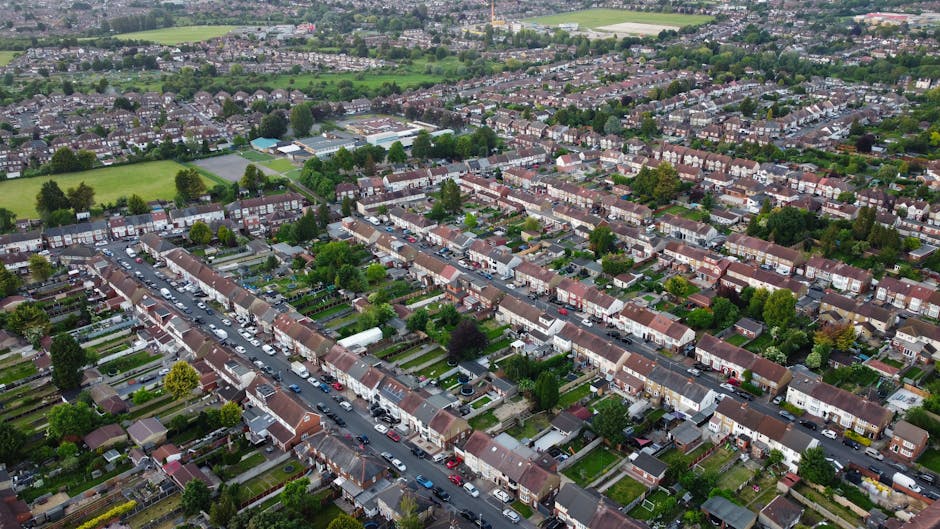
If you are moving in Romford, the biggest headache is often not the boxes or the sofa. It is the street itself. Tight turns, parked cars on both sides, awkward access, and nowhere obvious for the van can turn a simple move into a stressful one. This Romford removals guide for narrow streets and parking is here to make that part easier. Whether you are moving from a terraced house, a flat above a shop, or a busy residential road, the right planning can save time, reduce damage, and keep the day far calmer than you might expect.
Truth be told, a move in a narrow street rarely goes perfectly on its own. But with a bit of preparation, a realistic vehicle choice, and a sensible parking plan, it can go smoothly enough that you barely notice the pinch points. Let's break it down properly.
Why Romford removals guide for narrow streets and parking Matters
Narrow streets change the whole removal plan. In a wide, open road, a removals team can usually stop close to the property, unload efficiently, and keep the flow moving. In a tighter Romford street, every extra metre matters. If the van cannot get close, furniture has to be carried farther. If parking is awkward, you may lose time circling the block. If the road is busy, you may also need to coordinate around traffic, neighbours, school runs, or delivery vehicles. It all adds up.
This matters for more than convenience. Poor access can increase the risk of scratched walls, strained lifting, delayed handovers, and stress between everyone involved. And let's face it, moving day already has enough going on without arguing over where a van can stand. Good planning helps you protect your belongings and your sanity at the same time.
For many Romford moves, especially in terraces or older streets, the issue is not the distance itself but the shape of the access. A van might fit in theory, but not with wing mirrors out and parked cars squeezing the lane. A property might be only a short walk from the road, yet the path may include steps, kerbs, or a tight hallway. That is why access should be treated as a core part of the move, not an afterthought.
If you are comparing help for the move, it can be useful to look at broader removals support and the right vehicle option such as man and van or removal van services, depending on the size of the job and the access at both ends.
How Romford removals guide for narrow streets and parking Works
The basic idea is simple: plan the vehicle, plan the parking, and plan the carry route before moving day arrives. In practical terms, that means understanding what the street can handle, how long the van will need to stay, and where loading and unloading can happen safely.
A good removal plan usually starts with a visual check. You want to know whether the street is one-way, whether there are parked cars that narrow the road, whether turning space is tight, and whether there is a reasonable place to stop without blocking a driveway or junction. If you have not walked the route at the same time of day you plan to move, it is worth doing so. A road that feels manageable at 10 am can feel very different at school drop-off time. Small detail, big difference.
From there, the job becomes about matching the access to the right approach. Some moves are fine with a standard van if parking is available nearby. Others work better with a smaller vehicle and more trips. For larger homes or office moves, you may need a bigger vehicle but a carefully timed arrival so loading happens fast and the van spends less time on the road. If you are moving a flat, a dedicated flat removals service may be a better fit because it usually takes access constraints into account from the start.
Good removals teams also think about the carry plan inside the property. That means protecting floors, planning stair routes, and deciding which items should come out first. In narrow streets, this is where the move either feels efficient or chaotic. No in-between, really.
Key Benefits and Practical Advantages
The biggest benefit of proper planning is control. You are not hoping the street will work out. You know what you are dealing with, and you can prepare for it.
- Less walking distance: The closer the van can park, the shorter the carry and the lower the risk of bumps or fatigue.
- Faster loading and unloading: Time matters when parking is limited, especially if the road is busy or shared with neighbours.
- Lower damage risk: Fewer awkward corners and fewer long carries mean a lower chance of knocked frames or scuffed paintwork.
- Better teamwork: Everyone knows the plan, so the move feels calmer and more coordinated.
- Improved parking decisions: You can choose the best spot instead of taking the first one and hoping for the best.
There is also a hidden benefit: better communication with neighbours and building management. If you need to reserve space, ask someone to move a car, or leave a vehicle nearby for a short window, it helps enormously when everyone knows the schedule. People are usually more cooperative when they are told early and politely. Funny how that works.
For larger or more delicate moves, you may also want to combine access planning with professional packing support. Services like packing and boxes or packing and unpacking services can make the move easier to manage when time and space are tight.
Who This Is For and When It Makes Sense
This guide is useful for anyone moving from or to a road where parking is limited, streets are narrow, or access is awkward. That includes classic Romford terraced homes, maisonettes, top-floor flats, properties near busier shopping routes, and older residential streets where parked cars leave only a narrow channel for traffic.
It also makes sense for people who simply do not want surprises. Maybe you are moving out of a place where the van cannot sit directly outside. Maybe you are worried about getting a larger vehicle into a tight corner without causing trouble. Or maybe you have a heavy item, such as a piano, and you know access will be the real challenge. In those cases, planning the route matters just as much as the lifting.
Students, renters, families, landlords, and business owners all face different versions of the same problem. A student moving from a small flat may need quick, agile help. A family shifting a three-bed house may need a larger truck and more loading time. An office team may be balancing building access, staff timing, and parking restrictions all at once. Different jobs, same basic issue: where does the van go?
If your move is small and access is tight, a man with a van approach can be a sensible middle ground. For bigger property moves, a more structured home moves plan may be more efficient. For business relocation, the access question should be discussed early with a provider of office removals or broader commercial moves.
Step-by-Step Guidance
Here is a practical, no-nonsense way to prepare for a Romford move on a narrow street.
- Walk the street in person. Look at turning space, parked cars, road width, kerbs, and any low branches or tight bends. Do not rely on a quick glance from the front door.
- Measure the important bits. You do not need engineering-level precision, but you should know whether furniture can pass through hallways, stairwells, and doorways without being tilted in a way that feels risky.
- Check parking conditions. Note whether there are restrictions, permit zones, double yellow lines, or areas where loading may be possible only for a short time. If the road is heavily used, plan for a quieter window.
- Decide the vehicle size. A smaller van may mean more trips, but it might be the safest option on a narrow road. A larger van may reduce trips, but only if the street can handle it safely.
- Choose your loading point. Sometimes the best option is not directly outside the property but a short, safe distance away where the van can stand without blocking traffic.
- Prepare items in move order. Put essentials, fragile items, and bulky furniture in a sensible sequence so the crew is not constantly rearranging the load.
- Protect surfaces and access routes. Floor protection, door covers, and careful lifting matter even more when carrying items over a longer path.
- Confirm timing. A move that starts too late can run straight into traffic, school traffic, or neighbourhood parking pressure. Earlier often works better.
- Have a fallback plan. If the van cannot park exactly where expected, know the nearest safe alternative before the day begins.
That is the backbone of it. If the route feels complicated, it is worth discussing it with a team that offers a removal services approach rather than just assuming the day will sort itself out.
Expert Tips for Better Results
After enough moves, a few patterns become obvious. The jobs that run smoothly are rarely the ones with the fanciest equipment. They are the ones where the basics were done early.
First tip: plan parking like it is part of the move, because it is. If the van needs a clear run to the property, someone should be thinking about the route as early as possible. If the driver has to reverse down a tight street, the whole crew should know before they arrive.
Second tip: use smaller loads for difficult access. This is especially useful if the property has stairs, a shared entrance, or no great place to pause mid-carry. Smaller, organised loads can save more time than one heroic box-piling session. Sounds obvious, but people still try to do it the hard way.
Third tip: protect the easiest-to-damage things first. Mirrors, lamps, picture frames, and TV screens often get damaged because they are handled at the worst possible moment-usually when people are tired and a bit rushed. Wrap them early and keep them apart from heavier pieces.
Fourth tip: make the van work for the street, not the other way round. Sometimes a smaller vehicle with more flexibility is far better than trying to force a bigger truck into a road that was never designed for it. If you are not sure, a removal van can be easier to manage than a larger truck on a constrained road.
Fifth tip: if the move involves fragile or difficult items, be realistic. A piano, for example, is not something to improvise with in a cramped street. Professional piano removals are worth considering because the planning and handling are as important as the lifting.
In our experience, the quietest move day often starts with the most boring preparation the day before. That is the secret, if there is one.
Common Mistakes to Avoid
Most narrow-street problems are avoidable. The trouble is, they are also very easy to underestimate.
- Assuming the van can park outside: It might. It might not. Always have a backup.
- Leaving parking until the last minute: By then, the good spaces are often gone, especially in busy parts of Romford.
- Choosing the wrong vehicle size: Too big can be awkward; too small can mean endless trips. Balance matters.
- Not checking stair access: Narrow roads and narrow stairs are a tiring combination. One bad assumption can slow everything down.
- Ignoring neighbours and access points: A blocked driveway or a frustrated neighbour can create avoidable tension.
- Packing in a way that makes loading chaotic: If boxes are not clearly labelled or grouped, the unload turns messy fast.
Another common one is forgetting that storage can be part of the solution. If the new place is not fully ready, or if parking and access are easier on a different day, using storage can reduce pressure and give you a more controlled move.
And yes, people do sometimes forget to keep the kettle, chargers, and basic paperwork somewhere easy to reach. That one is almost a moving-day tradition.
Tools, Resources and Recommendations
You do not need fancy kit, but a few practical tools make a big difference.
- Measuring tape: Useful for checking furniture against doorways, hallways, and stair turns.
- Phone camera: Take pictures of the street, kerb space, access points, and any awkward corners. It helps when explaining the layout to a removal team.
- Labels and marker pens: Simple, but they save time when you are unpacking in a tight space.
- Blankets, straps, and protective wrap: Essential for keeping furniture and walls safe in narrow corridors or on longer carries.
- Floor protection: Especially helpful in flats and older houses where the floor finish is easy to mark.
For people who prefer a more complete moving service, it may be helpful to combine transport with packing help and a suitable removal setup. Depending on the size of the move, that could mean a man with a van, a more general removals package, or a larger vehicle option such as moving truck or removal truck hire.
For service planning, it also helps to understand pricing and what is included. A clear conversation around pricing and quotes can prevent misunderstandings later. Good planning up front usually beats a rushed fix on the day.
Law, Compliance, Standards, or Best Practice
This topic is mostly about practical best practice rather than complex legal rules, but there are still a few important points to keep in mind.
Parking in a narrow Romford street may be affected by local restrictions, loading rules, permit arrangements, and private access considerations. Those details vary by location and situation, so it is wise to check what applies before moving day rather than assuming short-term stopping will be fine. If a space is likely to be tight, the safest approach is to plan around it instead of trying to force it.
From a removal perspective, good practice usually includes:
- not blocking driveways, junctions, or emergency access;
- keeping walkways clear wherever possible;
- lifting and carrying items in a way that reduces injury risk;
- protecting walls, floors, and door frames;
- communicating clearly with the customer and, where relevant, neighbours or building managers.
If you are using professional help, it is sensible to ask about insurance and the way safety is handled. A good provider should be able to explain how items are protected and how risks are managed. The same goes for payment clarity and terms. You should know what you are agreeing to, plainly and without guesswork. Helpful pages to review include insurance and safety, health and safety policy, and terms and conditions.
That is the standard you want: clear, careful, and practical. Nothing dramatic. Just done properly.
Options, Methods, or Comparison Table
Different moves call for different approaches. Narrow streets are not a one-size-fits-all job, so it helps to compare the options before you choose.
| Option | Best for | Strengths | Watch-outs |
|---|---|---|---|
| Small van | Light loads, tight roads, short moves | Easy to park, flexible on narrow streets | May require more trips |
| Man and van | Smaller home moves, student moves, single-room relocations | Practical, efficient, often easier in residential streets | Less capacity than larger vehicles |
| Removal truck | Larger family moves or commercial jobs | Higher load capacity, fewer trips | Can be harder to position in restricted streets |
| Storage-first move | Delayed completions, staging moves, difficult access at one end | Reduces same-day pressure | Needs more coordination |
If you are moving a student flat or shared accommodation, the easiest option is often a compact, fast-moving setup. A student removals solution can be especially useful when access is tight and time is limited. For households, house removals may be more suitable if the inventory is larger and the move needs more structure.
Case Study or Real-World Example
Imagine a move from a small terraced property in a Romford side street. The road is narrow, cars are parked along one side, and there is just enough space for a vehicle to stop if everybody is careful. The property itself is only a few minutes from the main road, but the access is what makes or breaks the day.
In a situation like that, the best outcome usually comes from three decisions made early. First, the van arrives at a quiet time, before the street fills up. Second, the packing is organised so the most awkward pieces come out in the right order. Third, the team keeps the carry route clear and avoids constant reshuffling.
Now compare that with a version where nobody plans parking, the van arrives late, and boxes are still being sealed while the driver is waiting outside. You can probably picture the difference. One feels calm enough. The other feels like a relay race in a hallway.
That is why access planning matters so much for tight Romford streets. The move itself may only take a few hours, but the quality of those few hours depends on what happened the day before. A tiny bit of preparation goes a surprisingly long way.
Practical Checklist
Use this checklist before moving day. It is simple, but it covers the things people often forget.
- Measure access points, hallways, and any tight turns.
- Check the street for parking restrictions and likely traffic pressure.
- Decide where the van can stop safely if it cannot park directly outside.
- Confirm the most suitable vehicle size for the road and the load.
- Label boxes clearly and separate essentials for easy access.
- Protect furniture, floors, and door frames before the move starts.
- Keep walkways clear and remove obstacles from the entrance.
- Tell neighbours if parking or access may affect them.
- Have storage in mind if the move needs staging or timing flexibility.
- Keep documents, keys, chargers, and valuables with you.
Expert summary: If the street is narrow, do not treat parking as a side issue. Make it part of the removal plan from the start, and the rest of the day becomes much more manageable.
Get a free quote today and see how much you can save.
Conclusion
A move in Romford does not need to become a parking nightmare. Narrow streets, limited loading space, and awkward access are all manageable when you plan ahead, choose the right vehicle, and keep the process simple. The best removals jobs are not always the flashiest ones; they are the ones where the practical details were handled before anyone lifted a box.
If you take one thing from this guide, let it be this: work out the parking and access plan early, not on the morning of the move. That one decision can save time, reduce stress, and make the whole day feel more under control. And after all the sorting, wrapping, and carrying, that calm feeling is worth a lot.
Sometimes the difference between a hard move and a decent one is just a few careful choices. Enough, really, to let you breathe at the end of the day.
Frequently Asked Questions
What should I check first for a Romford move on a narrow street?
Start with the street itself. Look at parking space, turning room, parked cars, and whether a van can safely stop near the property. Then check the route from the van to the door, because that carry distance matters more than people think.
Is a small van better for narrow Romford roads?
Often, yes. A smaller van is usually easier to position and may be safer on tight streets. That said, the best choice depends on the amount of furniture, the number of trips, and how much time you have available on move day.
How do I know if my street is too tight for a larger removal truck?
If cars are parked on both sides, the road has tight bends, or turning is difficult, a larger truck may struggle. A quick walk-through with an honest assessment is usually the best answer. If in doubt, choose flexibility over forcing a bigger vehicle in.
Should I ask neighbours to move their cars?
If you need extra space, it is worth asking politely well in advance. Most people are more helpful than you fear, especially if you explain the timing clearly. Just avoid leaving it until the last minute.
What if the van cannot park outside my property?
Have a fallback loading point ready. Even if the van has to stop a short distance away, a clear carry route and well-packed items can keep the move moving. It is not ideal, but it is manageable.
Can a man and van service handle a narrow street move?
Yes, often very well. A man and van setup is frequently a good choice for tighter access and smaller loads because it tends to be more flexible than a larger truck.
What should I do if parking is restricted near my flat?
Plan the vehicle placement early and make sure you understand any restrictions that may apply. If parking is difficult, it may be worth discussing a smaller vehicle or a staged move so the day does not become a scramble.
Are storage options useful for difficult access moves?
Yes. Storage can help if your new property is not ready, if access on one end is limited, or if the move needs to happen in stages. It can remove a lot of pressure from the day itself.
How can I reduce damage during a narrow-street move?
Use good packing, protect furniture with blankets or wrap, keep pathways clear, and avoid rushing the carry. Most damage happens when people are tired or trying to squeeze through too fast.
Do office moves in Romford need the same parking planning?
Definitely, and sometimes more so. Office moves can involve larger loads, tighter schedules, and building access rules. A planned office removals approach is usually the safest route.
How far in advance should I plan parking for a move?
As early as you can. Even a rough plan made a few days ahead is better than guessing on the morning. The earlier you think about access, the easier it is to avoid last-minute stress.
What if I need help with a same-day move in a tight street?
Same-day moves are possible in some situations, but they need a realistic load plan and a vehicle that fits the access conditions. A same-day removals option may work, but the street still has to cooperate a bit.