Havering Removals in Havering

Havering removals for homes, flats and local business moves are arranged with practical planning, careful loading and clear handling of furniture and boxes. Our service is built around moving the contents people actually need shifted, whether that is a full property, a few bulky items or the stock and equipment from a small office. If you are comparing removal options in the borough, the main aim is straightforward: keep the move organised, protect possessions and make the day easier to manage.
We support different moving requirements through a set of related services, including removal services, home moves and man and van help for lighter loads or short-distance transport. The right choice depends on what needs moving, how much packing is already done and whether you want help with lifting, transport or both. For many customers, it is useful to start with the main move and then add the extra support that matches the property and the schedule.
If you are planning a move in Havering, the quickest way to begin is to tell us what needs to go, when you want it moved and whether access is straightforward. You can then compare the options and request a quotation once the scope is clear.
House and home moving support
House moves need more than a van and a pair of hands. They often involve sorting items room by room, protecting fragile pieces, managing access and keeping the property usable until moving day arrives. Our house removals and house removalists pages sit alongside the main service for customers who need a more structured approach to a full domestic move. That can include dismantling selected furniture, carrying heavier items safely and loading in a sequence that suits the destination address.
For smaller homes or single-occupancy properties, flat removals can be a practical fit because the move may need tighter scheduling, stair access or extra care around shared entrances. We also provide packing and boxes support for customers who want better protection before items are loaded. Good packing reduces avoidable damage, keeps loose items grouped together and makes unloading more efficient at the other end. Clear labelling and sensible packing are especially useful when several rooms are being moved in one journey.
When a home move is being planned, it helps to separate everyday essentials from larger furniture and low-priority items. Put the things you need immediately in one place, group delicate possessions carefully and identify anything that needs special handling. If you would like to keep the move simple, choose the level of help that matches the job rather than over-ordering or under-ordering the service. A well-scoped quotation is usually easier to compare and easier to agree.
Commercial moves and office relocation

Business moves need careful timing because work often has to continue while items are being transferred. Our commercial moves and office relocation services are designed for furniture, documents, storage units and workplace equipment that need to be moved with minimal disruption. The focus is on practical handling rather than disruption: clear access, predictable loading and an order that suits how the business works at the new address.
Office removals can include desks, chairs, filing systems and boxed contents, while removal truck hire may suit organisations that already have enough labour and simply need transport. The best option depends on the volume of items, the number of floors involved and whether there are time limits on loading or parking. When office equipment includes screens, printers or mixed IT items, separating them into labelled groups makes unpacking much more manageable.
Businesses often want to keep the move predictable, so it is sensible to identify the items that must travel first and the items that can follow later. This is especially helpful when there is a switch between workspaces, storage rooms or branch offices. Planning the order of collection can make the job feel less disruptive, but it does not need a complicated process. A short list of rooms, equipment and access notes is usually enough to begin.
Single items, bulky furniture and specialist lifting
Not every job is a full house or office move. Sometimes a customer needs one wardrobe carried downstairs, a sofa taken to storage or a table moved across the borough without the rest of the property being touched. Our furniture removals and furniture pick-up pages support those smaller but still physical jobs, where careful handling and a sensible loading plan matter just as much as on a larger move. Bulky pieces usually need protection at corners, attention to doorways and a clear path from room to vehicle.
There are also items that need a more specialist approach. Piano removals are a good example because weight distribution, movement control and access all matter. A piano should not be treated like ordinary furniture, and neither should awkward or heavy pieces that can be damaged by dragging, tilting or poor lifting technique. If you are moving a valuable item, it is worth explaining the dimensions, floor level and any steps or tight turns before the job is booked.
For customers with one or two items only, the simplest option may be a smaller vehicle and a focused loading plan rather than a full house-move setup. That can keep the work proportionate and make the quotation easier to understand. If the item is large but uncomplicated, say what it is and where it is going; if it is delicate or unusually heavy, mention that as well so the right support can be arranged.
Packing, loading and move-day preparation

Packing has a direct effect on how smoothly a move goes. Our packing and unpacking services can be used when a customer wants help turning a room of loose belongings into a move-ready load, or when boxes need to be opened and settled at the destination. Good packing protects breakables, separates mixed household items and makes it easier to place boxes in the right rooms after arrival. It also reduces the chance of items being stacked in a way that causes unnecessary pressure during transport.
Move-day preparation does not need to be elaborate. It is usually enough to identify what is staying behind, what is travelling and what will need to be taken apart first. If access is awkward, mention stairs, lifts, parking restrictions or narrow entrances in advance. For a smoother start, keep small parts, cables and fixings together rather than leaving them loose. Where appropriate, use labels that make sense to you rather than trying to create a complicated system that slows everything down.
Useful preparation steps can be as simple as these: group the items for each room, set aside essentials for the first day after the move, and keep any fragile or high-value items clearly separate. If you are unsure whether you need packing help, think about time, item value and how much sorting remains to be done. A clearer load is easier to move well, but there is no need to overcomplicate the process.
Vehicle choice, access and timing
Different moves suit different transport. A compact load may work with a van-based service, while a larger property might need a bigger removal vehicle and more time for loading. Our removal van and moving truck pages sit within the same service family, because the vehicle choice usually depends on the volume, the fragility of the items and the way the route or access is arranged. Choosing the right size matters because it affects how often items are handled and how efficiently the job can be completed.
Timing also affects the way a move is organised. If access is limited to certain hours, if parking is difficult or if the property is in a busy area, the loading plan may need to be adjusted. Customers often find it useful to think about the move in stages: collection, loading, transport and placement at the destination. When each stage is considered in turn, it becomes easier to see whether the move needs extra hands, a larger vehicle or a simpler one-visit arrangement.
Price is usually shaped by a few practical factors rather than a single fixed rule. The volume of items, the distance between addresses, the access at both ends and any additional packing or lifting all influence the scope. If you want to keep costs aligned with the job, describe the move accurately rather than broadly. That lets the quotation reflect the real work needed and avoids confusion later on.
Storage, interim moves and flexible arrangements

Some moves are not completed in one straight journey. Furniture may need to be held temporarily while keys are exchanged, office items may be moved before a room is ready or household contents may need to be split between delivery and storage. Our storage page sits alongside the removal service for customers who need a practical gap between collection and final placement. Interim arrangements can be useful when the destination is not ready on the same day or when only part of the property is moving first.
Flexible planning matters when the move is divided into stages. In those cases, it is sensible to decide what needs to remain accessible, what can be stored for a while and what must travel with you immediately. Even where the move is simple, a short note on item priority can make the job easier to organise. That is especially true for customers moving family furniture, office furniture or a mixture of both, because the loading order may need to change to suit the end plan.
For customers who are still comparing options, it can help to think in practical terms: do you need transport only, transport with loading help, or a fuller move with packing support as well? Choosing the smallest service that still fits the job often keeps the process straightforward. When the requirements are clear, a quotation is easier to review and the move can be arranged with fewer unknowns.
About Havering
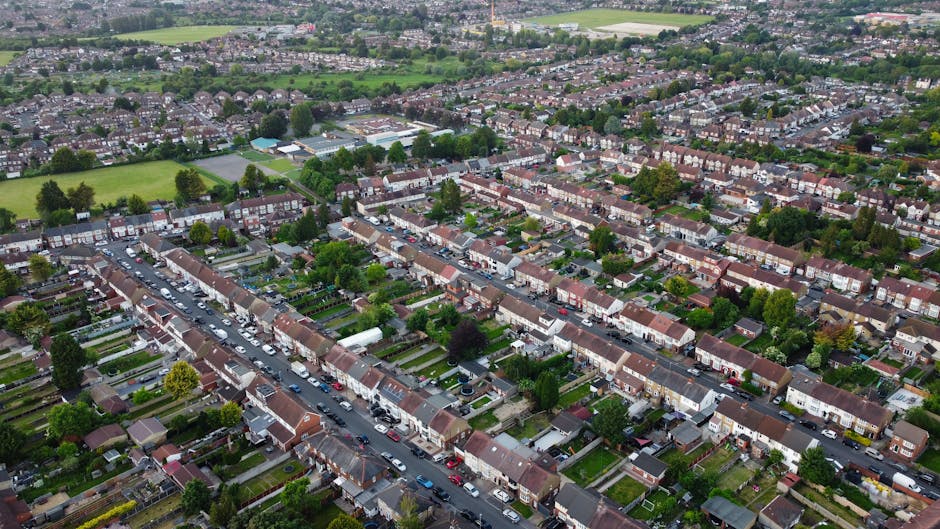
Havering is a borough in east London with a distinct mix of suburban districts, open spaces and older settlement patterns that reflect both Essex heritage and later metropolitan growth. Romford is the principal commercial centre and administrative focus, while other places such as Hornchurch, Upminster, Rainham, Harold Hill and Collier Row give the borough a varied urban form. The area is shaped by major transport routes, including rail connections into central London and road corridors that link eastward beyond the capital, but it also contains quieter residential streets and a number of green spaces that soften the built environment. Parts of Havering retain a semi-rural character, especially towards the eastern side of the borough, where marshland, riverside landscapes and farmland appear alongside housing and local industry.
The borough’s identity is also tied to its older parish history and to the spread of twentieth-century suburban development. Romford developed as a market town and remains a busy centre with retail, leisure and transport links, while Hornchurch is known for its town centre, its historic associations and the much-loved open space of Hornchurch Country Park. To the south-east, Rainham sits close to the Thames and the wider marshland landscape, where industrial land, conservation areas and waterways meet. Upminster, with its village-like feel in places, adds a different layer through local architecture, civic buildings and long-established residential streets. Together, these settlements show how Havering combines movement, commerce and open land within one borough. The result is a place that feels neither entirely metropolitan nor entirely suburban, but instead shaped by both influences at once.
Working through a removal quotation
A good quotation starts with the right facts. The number of rooms, the type of property, the amount of furniture and whether packing is required all affect the scope. If you are comparing house moves, office relocation or single-item transport, write down the main pieces first rather than trying to describe everything in one long note. This makes it easier to identify whether the job is a straightforward move, a mixed load or something that needs special handling.
It also helps to note anything that affects access. Steps, narrow corridors, shared entrances, long carries from the vehicle or parking limits can all change how the work is organised. If dismantling is needed, or if boxes are still being packed, mention that too. The aim is not to create a perfect inventory; it is to give enough detail for a sensible plan. Clear information now usually means fewer surprises later, especially when the move involves bulky furniture or mixed domestic contents.
When you are ready, pricing and quotes gives a natural place to review the next step and compare the work against your requirements. If you prefer to begin with the main service, you can also return to the core removal services page and choose the most relevant route from there. For a direct conversation about your move, ask for a quotation once the details are ready.
Choosing the right removal support

Different moves need different levels of help, and it is worth matching the service to the load rather than choosing too much or too little. same day removals may suit urgent changes in plan, while student removals can be a practical fit for smaller loads, seasonal moves and accommodation changes. Both are part of the same wider service family, but they respond to different kinds of timing and item volume. The more accurately the move is described, the easier it is to select the right approach.
There are also occasions when a mixed arrangement is best. A home move might include a few separate furniture pick-ups, or a business move might need part of the equipment transferred now and the remainder later. Because the service can be shaped around the actual load, you do not need to force everything into one category. It is often better to say what you have, what matters most and what can be handled in stages if needed. That keeps the planning practical and avoids unnecessary complication.
If you are ready to move forward, contact us to discuss the items, the route and the level of help you need. A brief outline is enough to start the process, and a quotation can then be prepared around the details you provide.